Introduction
A Bachelor of Architecture (B.Arch) is much more than a degree—it is a journey that transforms creative minds into professional architects capable of designing functional, sustainable, and inspiring spaces. Throughout the five-year program, students acquire a wide range of technical, creative, and professional skills that prepare them for successful careers in architecture, urban planning, interior design, and construction management.
1. Creative Thinking and Design Skills
Creativity lies at the heart of architecture. B.Arch students learn to transform ideas into practical and aesthetically pleasing designs. They develop the ability to think innovatively, solve design challenges, and create spaces that meet both functional and environmental needs.
2. Technical Drawing and Drafting
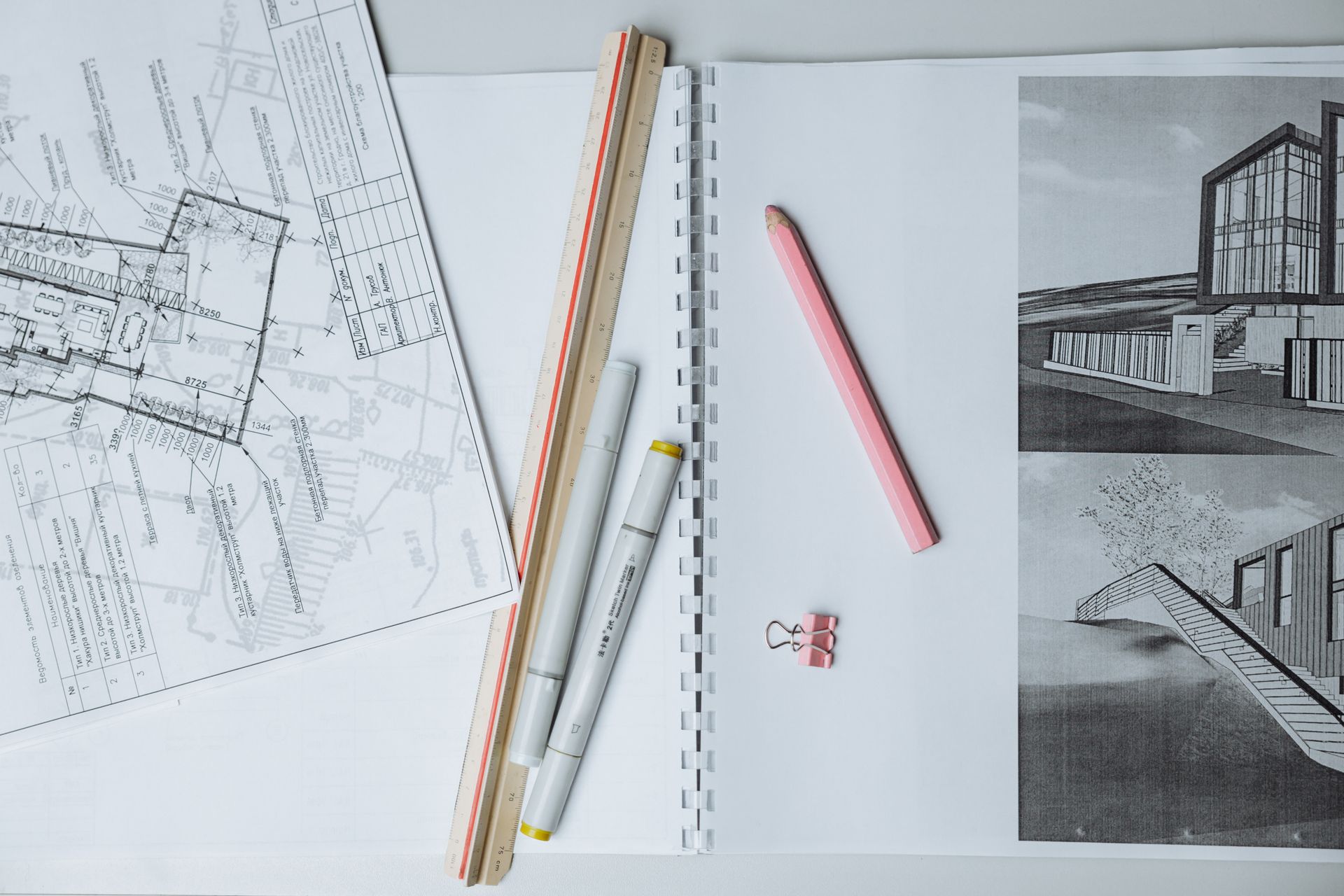
Architects must communicate their ideas accurately. Students gain expertise in architectural drafting, construction drawings, floor plans, elevations, sections, and detailed technical documentation using both manual and digital methods.
3. Digital Design and Software Proficiency
Modern architecture relies heavily on digital tools. During the B.Arch program, students become proficient in industry-standard software such as AutoCAD, Revit, SketchUp, Rhino, Lumion, V-Ray, Photoshop, and Building Information Modeling (BIM). These tools help create precise drawings, realistic visualizations, and professional presentations.
4. Problem-Solving and Critical Thinking
Every architectural project presents unique challenges related to space, budget, climate, regulations, and client requirements. Students develop analytical and critical thinking skills that enable them to find innovative and practical solutions to complex design problems.
5. Knowledge of Building Materials and Construction
A successful architect must understand how buildings are constructed. B.Arch students learn about construction techniques, structural systems, building materials, services, and sustainable construction practices to design safe and durable structures.
6. Communication and Presentation Skills
Architects regularly interact with clients, engineers, contractors, and government authorities. The B.Arch curriculum emphasizes verbal communication, report writing, public speaking, design presentations, and portfolio development, enabling students to confidently present their ideas.
7. Teamwork and Leadership
Architecture is a collaborative profession. Students participate in group projects, design studios, workshops, and site visits, helping them develop teamwork, leadership, coordination, and project management skills essential for professional success.
8. Sustainability and Environmental Awareness
Modern architecture focuses on creating environmentally responsible buildings. Students learn sustainable design principles, energy-efficient planning, green building concepts, climate-responsive architecture, and resource conservation to design eco-friendly spaces.
9. Time Management and Project Planning
Architectural projects involve multiple stages and strict deadlines. Students learn to manage time effectively, prioritize tasks, organize workflows, and complete projects within scheduled timelines while maintaining high-quality standards.
10. Professional Ethics and Industry Readiness
A B.Arch course also develops professionalism, ethical decision-making, legal awareness, and understanding of building regulations. Through internships, live projects, and industry interactions, students gain valuable practical exposure that prepares them for real-world architectural practice.
Build a Strong Foundation for Your Future
The B.Arch program equips students with a perfect blend of creativity, technical expertise, communication, and leadership skills. These competencies not only prepare graduates for rewarding careers in architecture but also empower them to design innovative, sustainable, and impactful spaces that shape the future of communities. By mastering these essential skills, aspiring architects become capable of turning imagination into reality while making meaningful contributions to the built environment.